
Trans-African Ferry Flights: ETOPS, Diversions, and the Realistic Permit Picture
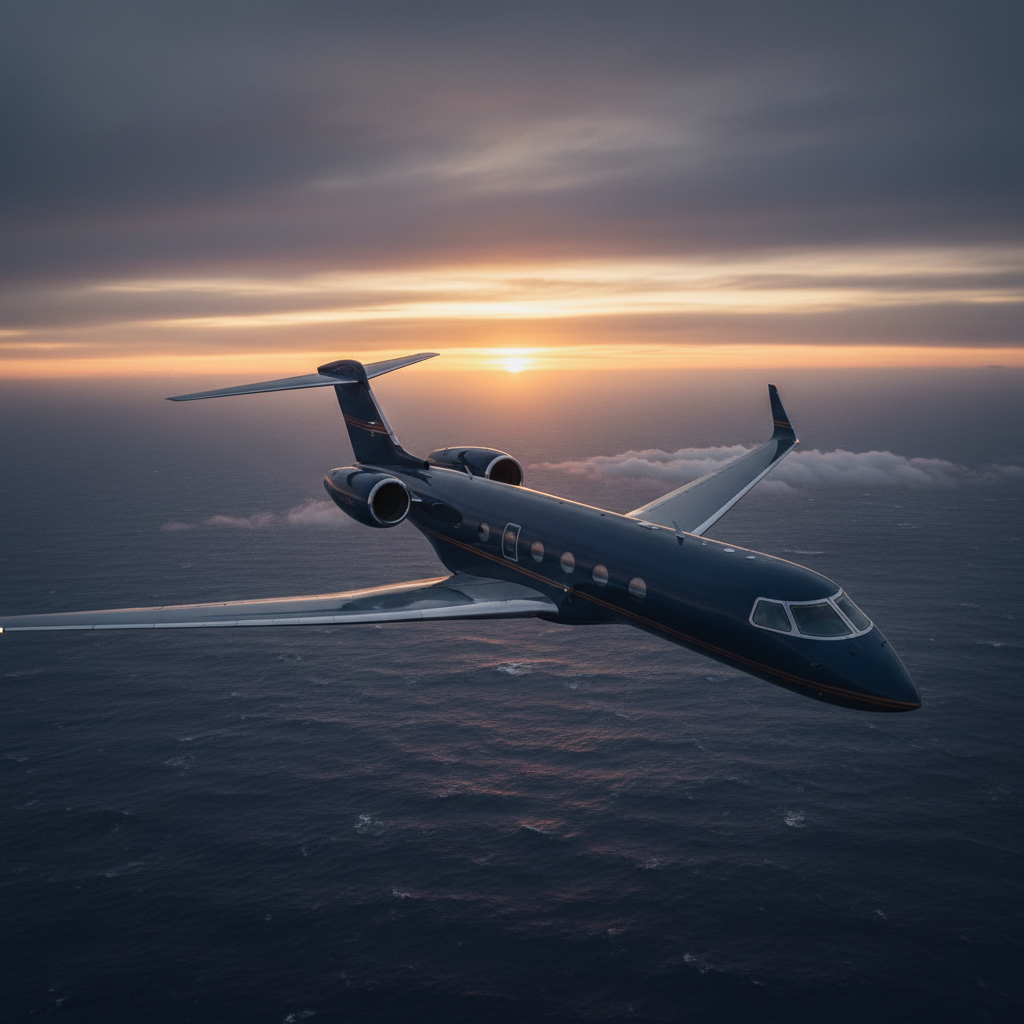
Ferrying a business jet across Africa is not a sequence of straight lines on a chart. This is the operational reality: ETOPS, diversions, permits, fuel.
Why African ferries punish unprepared operators
A Gulfstream G650 can fly Lagos–London in one leg. A Citation CJ4 cannot fly Cape Town–Cairo in two without serious planning. The difference between a smooth ferry and a five-day debacle is almost always the depth of pre-trip work: diversion airports, permits, fuel availability, and a realistic ETOPS picture.
ETOPS basics for Africa
Most of Africa is not the open ocean, but the operational reality is similar: huge swaths between viable diversions, sparse weather observation, and limited fuel. A pragmatic Africa ferry plan accounts for:
- Time to diversion: plan for 60 minutes maximum in central Africa, 30 minutes preferred along the coasts.
- Diversion fuel: carry full alternate fuel to the chosen diversion plus a holding reserve.
- Alternate airport ratings: an "airport" in the AIP can mean a 1,200 m strip with no fuel and a soft surface.
Realistic diversion airports by region
- West Africa: Dakar (GOOY), Abidjan (DIAP), Lagos (DNMM), Libreville (FOOL).
- Central Africa: Douala (FKKD), N'Djamena (FTTJ), Kinshasa (FZAA).
- East Africa: Addis Ababa (HAAB), Nairobi (HKJK), Dar es Salaam (HTDA).
- Southern Africa: Lubumbashi (FZQA), Lusaka (FLLS), Johannesburg (FAOR).
Permits — the part everyone underestimates
A Cairo–Cape Town ferry typically requires permits or notifications for: Egypt, Sudan, Ethiopia, Kenya, Tanzania, Zambia, Zimbabwe, and South Africa. Each has its own lead time. Sudan and Ethiopia are the historic chokepoints; LFS holds standing relationships with both CAAs.
Fuel and credit
Cash-only fuel still exists in parts of central and west Africa. AVCARD, World Fuel Services, and Colt International work in most major capitals, but for tertiary airports plan for a wire transfer 48 hours ahead or carry-in fuel arrangements.
What LFS does on an Africa ferry
We issue a single trip number, file every leg, secure every permit, lock fuel pricing at every stop, and assign a dedicated dispatcher who is reachable on a single number for the full ferry window. We've completed ferries from Cape Town to Geneva, from Lagos to Tashkent, and from Johannesburg to Tokyo. The pattern is the same: prepare obsessively, then execute calmly.
Operator FAQs
What's the longest leg I can plan in Africa?
In practice, ETOPS for piston/turboprop is 60 minutes, for turbojet up to 180 with proper exemption. Most African ferry plans use 60-minute diversions in central regions and 90-minute coastal.
Do I need separate permits for each African country?
Yes — most African states require a dedicated overflight or landing permit, with lead times from 24 hours (e.g. Tanzania) to 72 hours (e.g. Algeria). Some, like South Africa, only require flight plan filing.
Is fuel available everywhere?
At capital cities and major hubs, yes. At tertiary airports, often no, or only with 48-hour notice and pre-payment. Always confirm before launch.
LFS handles your operation 24/7.
Send the trip — we acknowledge in under 60 minutes during working hours, immediately for AOG.