
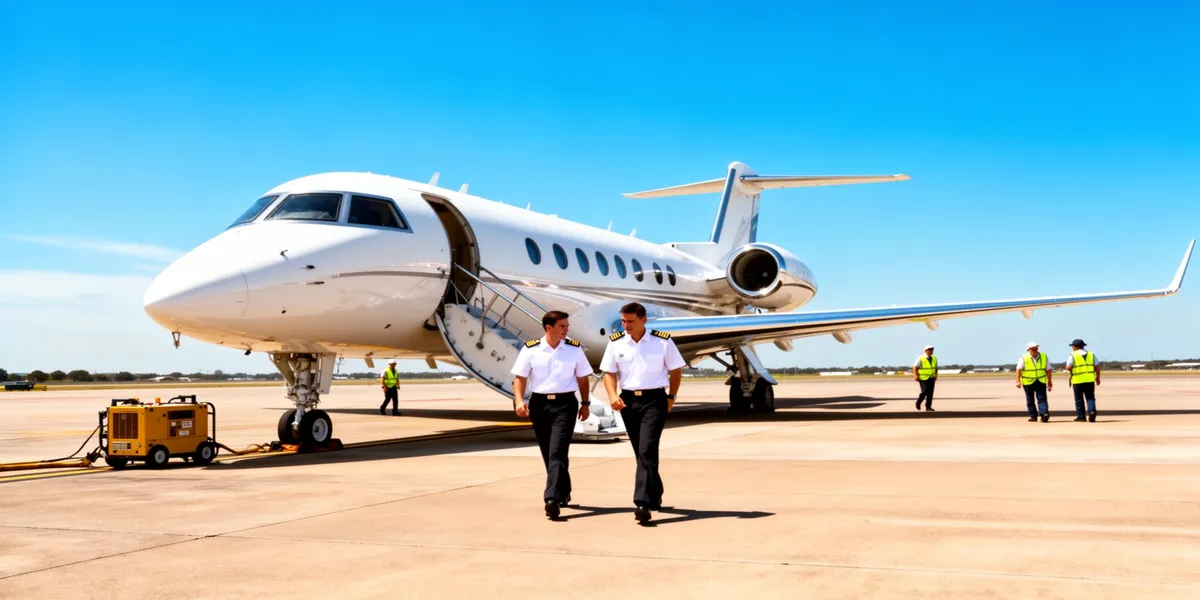
At a glance
| Who it is for | Aircraft owners, operators, ferry companies, lessors and brokers |
|---|---|
| Flight types | Delivery, re-delivery, sale, repositioning, maintenance positioning |
| What we cover | Routing, permits, fuel stops, handling, crew hotels and transport |
| What we do not do | Fly the aircraft or supply ferry pilots |
| Desk | 24/7/365, named dispatcher per trip |
| Rules | Permit and airport requirements change and are confirmed per request |
Why ferry flights need their own planning
A ferry flight looks simple on paper: one aircraft, one crew, from A to B. In practice it often crosses several countries, uses an aircraft flying outside its normal routes, and may need stops that a regular trip would never use. Each country on the way may ask for its own permit, and some treat non-revenue or delivery flights differently from charter or private trips.
LFS has supported operators since 2012. Our desk treats a ferry flight as a full trip, with one dispatcher who keeps routing, permits, fuel and handling in a single plan.
What our ferry flight support covers
Routing and technical stops
For short-range aircraft, the route is built around where the aircraft can land, refuel and leave again. We propose stops where fuel, handling and permits can be arranged, and avoid airports that cannot support the aircraft at the planned time. See our flight planning service.
Overflight and landing permits
The permits desk requests applicable overflight and landing permits along the route, tracks approvals and keeps permit numbers with the trip. More on permits and clearances worldwide.
Fuel at every stop
Fuel is requested at each stop and at the destination through the LFS fuel network, subject to supplier acceptance. See aircraft fuel services.
Handling and crew logistics
Handling is arranged at every stop, and the crew get hotels, transport and rest periods planned in advance. See our crew logistics service.
Who uses LFS for ferry flights
Owners moving an aircraft after a sale, operators repositioning between bases, lessors returning aircraft, and ferry companies that fly the aircraft and want one desk to handle the ground side. Brokers also use us when a client needs an aircraft moved at short notice.
Why operators contact LFS
- One named dispatcher for the whole ferry flight.
- Permits, fuel, handling and crew in one plan.
- A 24/7/365 desk for changes on a multi-day trip.
- LFS stations plus vetted handling partners worldwide.
For the trip after a grounding, see AOG support worldwide. For oceanic routes, see North Atlantic trip support.
Route permits are not an airworthiness Permit to Fly
A ferry or repositioning flight with valid airworthiness and operating documents is different from a flight requiring a special airworthiness permission. A Permit to Fly, where applicable, concerns whether an aircraft may fly under defined conditions; landing and overflight permits concern route or state access. One does not replace the other. EASA describes a Permit to Fly for an aircraft unable to hold a valid certificate of airworthiness but capable of safe flight under specified conditions. The responsible authority or an appropriately approved organisation issues it, not LFS.
Do not assume every aircraft delivery requires a Permit to Fly. The owner/operator and relevant authority must assess aircraft status, registration and the circumstances of the movement. UK CAA ferry guidance illustrates that acceptance by the importing state, overflight permissions and import requirements may also need checking in an export movement. That is a jurisdiction-specific example, not a universal procedure for all aircraft. LFS coordinates applicable trip-support requests after the operator clarifies the status and restrictions.
Aircraft-document checklist before route commitment
Start with the state of registry, registration, aircraft type and operating purpose. The operator should confirm airworthiness status, insurance and relevant operating authority, and identify any approved flight conditions or equipment restrictions. A sale, temporary registration change, export or return from maintenance may add documentary dependencies. Required papers depend on the actual aircraft and jurisdictions; there is no single worldwide ferry document pack.
Useful planning inputs include the registration certificate, valid airworthiness documents or applicable special authorisation, insurance, relevant operator approvals, aircraft configuration and crew details. If a Permit to Fly applies, communicate its route, occupancy, weather, equipment or other limitations to the flight-planning team. Owner/operator and authority decisions remain controlling. LFS can assemble the aviation coordination file but does not certify airworthiness, issue maintenance release, approve crew qualifications or establish legal entitlement to fly.
Technical stops for range and equipment constraints
The operator supplies aircraft performance, fuel capacity, equipment status and approved limitations. A plausible geographic stop is not yet a usable fuel stop: assess runway and pavement suitability, approach capability, weather, opening restrictions, border requirements, handling acceptance and fuel availability for the planned time. Reserve and alternate planning must use the operator’s applicable rules and approved data, not a generic range figure.
For a multi-leg delivery, a change at one stop may affect permits, crew rest and supplier arrangements downstream. Ask for fuel acceptance with quantity and units, practical handling scope and a contingency contact at each proposed stop. If an aircraft cannot use a planned airport, review the alternate’s own permissions and services rather than moving the booking on assumption. North Atlantic support is relevant where oceanic routing is proposed, but applicable navigation, communication and equipment requirements must be established for the actual operation.
Practical examples without promising a route
For a delivery from Europe to the Gulf, assess the aircraft’s registration and operating purpose, transit-state requirements, destination acceptance and whether technical stops are needed. The aircraft type, date, weather, equipment and any flight conditions determine the viable route. This is a planning scenario, not an advertised fixed routing or a statement that every state requires both an overflight and landing permit.
For repositioning after maintenance, the first question is whether the aircraft is fully released or subject to special conditions. For a transatlantic delivery, equipment capability, oceanic requirements, fuel-stop suitability and alternates may control the route more than the shortest distance. In each example LFS coordinates the agreed aviation requests; the operator accepts the route and flight release. No example establishes airport acceptance, aircraft availability, ferry pilots or a guaranteed completion time.
Crew rest, delays and delivery handover
Hotels, transport and stop duration should support the operator’s crew duty and rest plan. A late permit, maintenance issue or weather change can turn a planned technical stop into an overnight stay. Agree who can authorise revised services and communicate changes to the owner, delivery recipient and flight crew. A named trip contact and written handover between desk shifts can keep confirmations traceable without assuming the same individual remains on duty throughout a multi-day movement.
Before departure, distinguish requested services from accepted bookings and ensure the crew holds the relevant authority, airport, handler and fuel references. At delivery, import, registration, customs and acceptance steps belong to the responsible owner/operator and authorities; trip coordination does not complete the legal transfer of ownership. LFS can keep revised ground arrangements aligned with the flight plan, while the recipient and operator confirm aircraft acceptance and any remaining technical or documentary work.
Reference sources
Reviewed 22 October 2026. Current AIP, NOTAMs, airport rules and written provider confirmations govern each movement.
How we support your trip
- 01
Request
Send the aircraft, route, dates and reason for the flight. A named dispatcher takes the trip.
- 02
Route and stops
We review range and propose a route with technical stops where fuel and handling can be arranged.
- 03
Permits
Applicable overflight and landing permissions are requested where required, subject to authority approval.
- 04
Fuel and handling
Fuel and handling are requested at each stop, with provider acceptance confirmed before reliance.
- 05
Crew
Hotels, transport and rest periods are planned for the crew along the way.
- 06
Monitoring
The desk follows the flight leg by leg and adjusts the plan if weather or delays change it.
Frequently asked questions
What is ferry flight support?
Ferry flight support is the trip planning around a flight that moves an aircraft without commercial passengers: a delivery, a sale, a repositioning or a move to and from maintenance. LFS plans the route, files permits, arranges fuel stops and handling, and looks after the crew along the way.
Which ferry flights does LFS support?
Delivery and re-delivery flights, flights after an aircraft sale, repositioning between bases, and flights to and from maintenance. Each request is reviewed for route, aircraft range and permit needs before the plan is confirmed.
Can LFS arrange permits for a ferry flight?
Yes. The permits desk files the overflight and landing permits needed along the route. Some countries treat ferry and non-revenue flights differently, so requirements are confirmed with the LFS ops desk for each trip.
Do you plan fuel stops for short-range aircraft?
Yes. For aircraft that cannot fly the full distance, the desk proposes technical stops where fuel, handling and permits can be arranged, and requests fuel and handling at each one, subject to acceptance.
Does LFS fly the aircraft or provide ferry pilots?
No. LFS does not operate the aircraft or supply crew. We support the operator, owner or ferry company that flies it.
What should we send to request ferry flight support?
Aircraft type and registration, departure and destination, preferred dates, reason for the flight (delivery, sale, maintenance, repositioning), crew details, and any range or equipment limits.
Is a Permit to Fly required for every ferry flight?
No. It depends on airworthiness status, registration and the actual circumstances. The owner/operator and relevant authority determine whether special permission is required; it is distinct from route permits.
Who issues an airworthiness Permit to Fly?
The competent authority or an appropriately approved organisation issues it where applicable. LFS coordinates trip support, not airworthiness authorisation.
Is the desk available outside office hours?
Yes. The LFS operations desk works 24/7/365, so changes during a multi-day ferry flight are handled as they happen.