
CPDLC and HF Radio in Remote Airspace: Operator Checklist
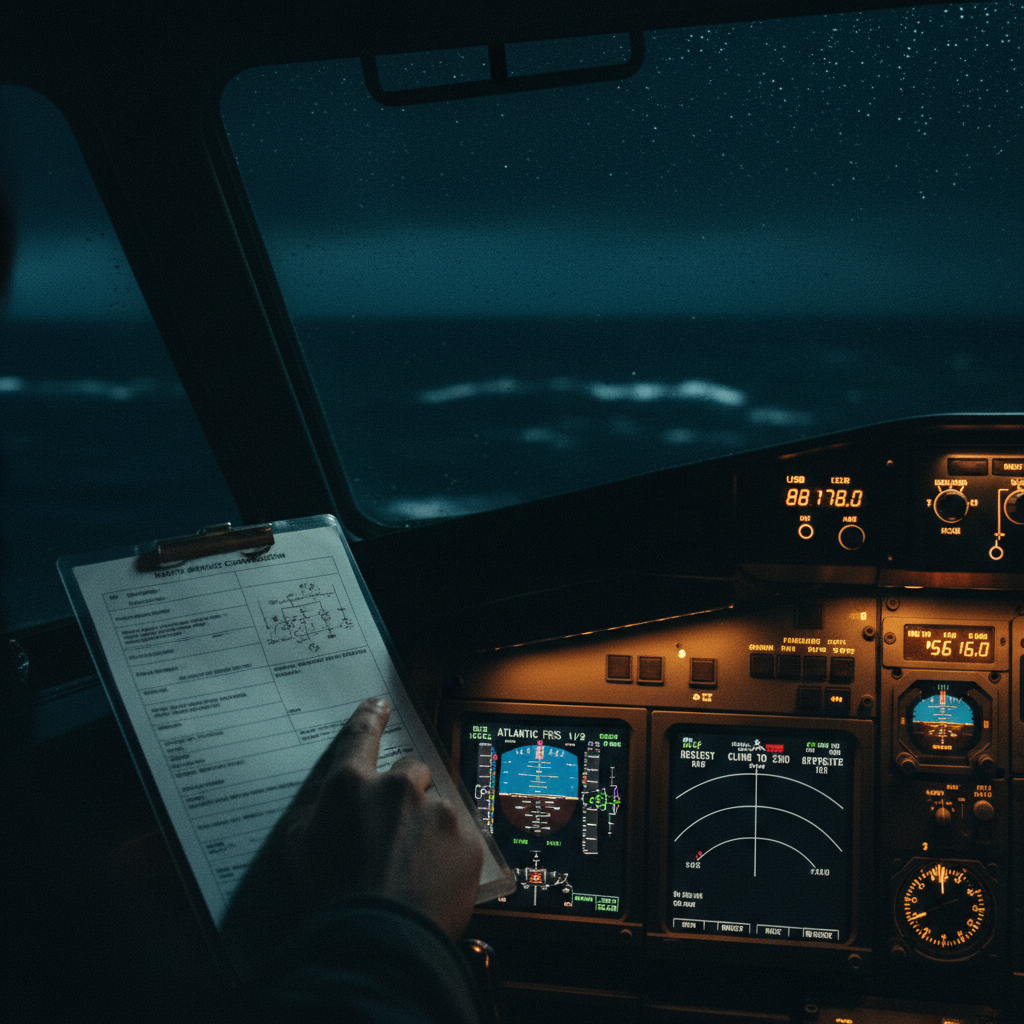
What CPDLC logon procedures, HF SELCAL discipline, and position-reporting habits look like in 2026 across the major remote-airspace corridors.
What CPDLC logon procedures, HF SELCAL discipline, and position-reporting habits look like in 2026 across the major remote-airspace corridors.
Why this is back on dispatch checklists
CPDLC (Controller-Pilot Data Link Communications) and HF voice remain the two primary communication backbones in oceanic and remote continental airspace. As more traffic shifts onto reroutes that touch Central Asian, African, and trans-oceanic FIRs (a direct consequence of the Russia overflight closure and the Sudan airspace situation), more crews are flying long stretches without VHF coverage. Dispatch needs to confirm that the equipment, the logon plan, and the SELCAL codes all line up before the aircraft pushes.
CPDLC logon discipline
FANS-1/A CPDLC logons should be initiated 15–25 minutes before entering the controlling FIR. The flight plan must carry the correct 4-letter FANS code (e.g. KZAK for Oakland, EGGX for Shanwick) and the aircraft's 24-bit ICAO address must match what's in the operator's data link service provider record. The most common logon failure is a stale aircraft address in the operator database — we audit this for every long-haul tail under LFS dispatch.
HF SELCAL setup
SELCAL codes are aircraft-specific four-letter combinations that allow controllers to alert a specific aircraft without continuous monitoring. The code must be entered in the flight plan and checked with the controlling station shortly after entering the FIR. A SELCAL check failure usually means the code is wrong in the flight plan or the aircraft's HF radio is mis-tuned — both fixable inside 10 minutes if caught early.
HF frequency planning
Atlantic NAT tracks publish HF families daily; Indian Ocean (Mumbai, Colombo, Mauritius) uses fixed primary/secondary families; African upper airspace (AFI) relies on Dakar, Brazzaville, and Johannesburg HF, with notoriously variable propagation. LFS dispatch builds an HF frequency card per flight plan and confirms current propagation forecasts at the briefing stage.
Position reporting
On HF, position reports follow standard ICAO format (position, time, FL, next position with ETA, next-next position). On CPDLC, ADS-C contracts handle most of this automatically once established. Crews should still know the voice format because data link drops happen. The discipline is the same it's always been: 10 minutes before the waypoint, prepare the report; at the waypoint, send it.
Equipment failures and contingencies
ICAO Doc 4444 contingency procedures (offset 5–15 NM, broadcast on 121.5 and 123.45) remain the standard for total comm loss. Crews should brief these before every oceanic crossing. LFS dispatch maintains contact with the operator throughout the crossing via SATCOM/ACARS and can relay through adjacent FIRs if direct comms fail.
Related LFS resources
Talk to LFS
LFS Aviation runs 24/7 dispatch from Bahrain. If you have a movement that touches any of the above, send us a trip request or contact our duty desk. We respond inside one hour.
Operator FAQs
Do we need CPDLC for every oceanic crossing in 2026?
Effectively yes for the North Atlantic Organised Track System and most oceanic FIRs. Non-CPDLC equipped aircraft are restricted to specific tracks and altitudes.
How often do SELCAL codes fail?
More often than they should — typically because the flight plan SELCAL doesn't match the radio. A pre-flight check by dispatch catches most cases.
Is HF still relevant or has CPDLC replaced it?
Both are still in active use. CPDLC is primary in equipped FIRs; HF remains the fallback and the primary means in parts of African and Indian Ocean airspace.
What's the most common remote-airspace issue you see?
Stale 24-bit aircraft addresses in the operator's data link record causing CPDLC logon failures. Audit this annually per tail.
LFS handles launch-batch-2026-05 24/7.
Send the trip — we acknowledge in under 60 minutes during working hours, immediately for AOG.