
Ferry Flight Planning: Asia–Europe in 2026
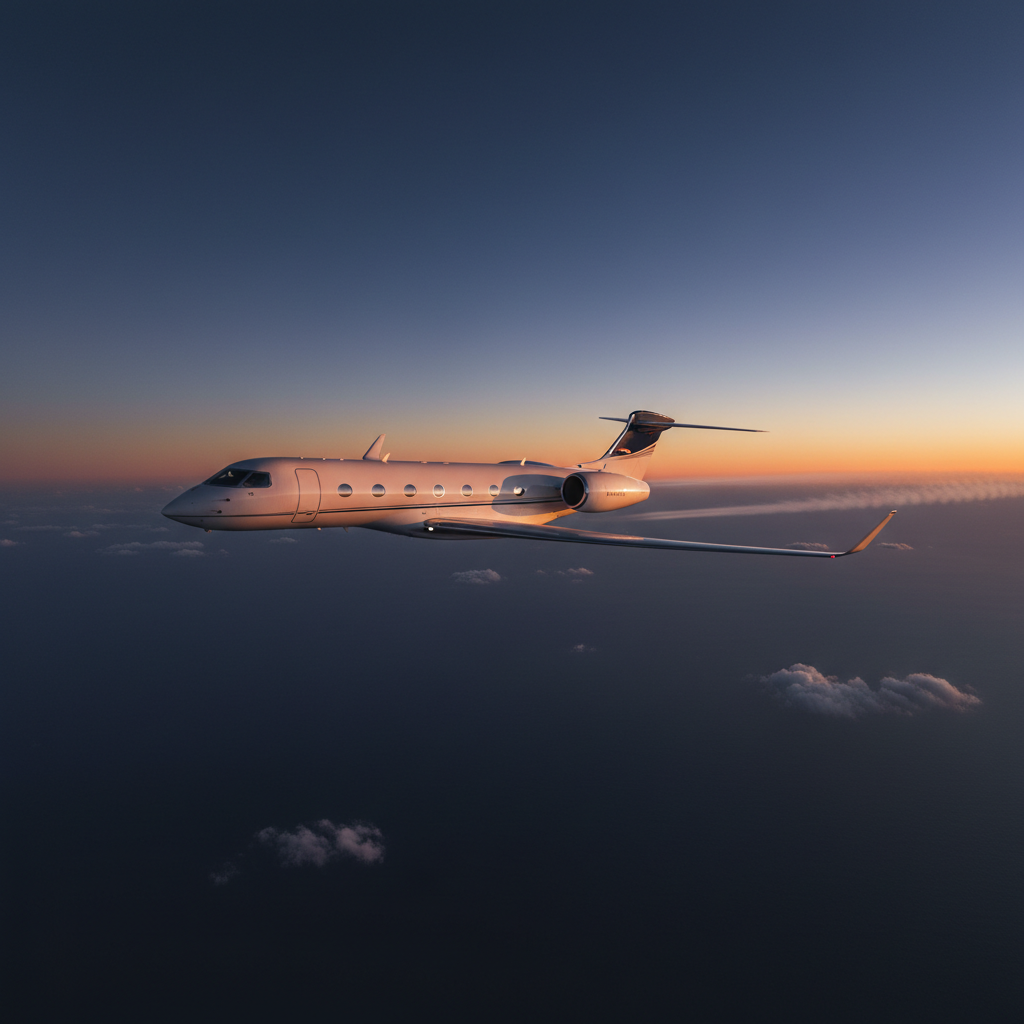
Step-by-step LFS playbook for ferry flights between Asia and Europe — from initial route selection through tech stops, fuel, crew, and arrival handling.
Step-by-step LFS playbook for ferry flights between Asia and Europe — from initial route selection through tech stops, fuel, crew, and arrival handling.
What's different about a ferry
A ferry flight is an aircraft repositioning movement — typically empty, often a single sector that has to clear multiple FIRs without the operational support of a normal scheduled or charter mission. The aircraft may not have visited those airports before; the crew may be unfamiliar with the route; insurance and permits are sometimes one-off. That combination is what makes ferries failure-prone if dispatch treats them as ordinary trips.
Route construction
With Russian airspace effectively closed (covered in our Russia overflight alternatives article), Asia–Europe ferries route southern via Türkiye–Caucasus–Central Asia–China, or via the Middle East–Indian Ocean–Southeast Asia for southern destinations. Route construction starts with the aircraft's range/payload at zero passengers and works backward to identify mandatory tech stops.
Tech stops
OBBI (Bahrain) is our default Middle East ferry stop — H24, no curfew, and clean handling. For Central Asia, UTTT (Tashkent) and UTAA (Ashgabat) work but require permit lead time. ZWWW (Ürümqi) is the standard China entry. VHHH (Hong Kong) and WSSS (Singapore) cover Southeast Asia entry/exit. Our tech stop selection guide explains the underlying logic.
Permits
A typical Asia–Europe ferry needs 6–10 overflight permits. Türkiye, Azerbaijan, Georgia, Turkmenistan, Uzbekistan, Kazakhstan, China are common. Most clear in 24–72 hours; China needs 7 days standard. LFS files the full permit chain in parallel — sequential filing wastes a week.
Fuel pre-positioning
Ferry economics favour minimum fuel at minimum-cost stops. OBBI typically prices below most Asian uplifts; Tashkent and Ürümqi are higher but still cheaper than carrying the fuel onward. LFS models the uplift sequence against current Platts posts and recommends where to load to optimise cost without compromising reserves.
Crew and duty
Ferries often run with 2 pilots and minimum cabin. Duty limits remain binding. A Singapore–Frankfurt ferry that looks like one long sector typically needs two crew days with a rest stop at OBBI or DOH unless you augment to 3 pilots. Plan for it; don't discover it the day before.
Documentation
Customs and immigration treat ferry flights inconsistently. Some states demand passenger manifests even for empty repositioning; others don't. Crew should carry GenDec, AOC, insurance, airworthiness, registration, noise certificate, and the permit numbers in printed form. LFS provides a single PDF briefing pack per ferry.
Related LFS resources
- Flight dispatch
- Russia overflight alternatives
- CPDLC & HF in remote airspace
- Request ferry support
Talk to LFS
LFS Aviation runs 24/7 dispatch from Bahrain. If you have a movement that touches any of the above, send us a trip request or contact our duty desk. We respond inside one hour.
Operator FAQs
Can a G650 ferry Singapore–London nonstop?
Range-wise yes in still air, but winter winds and ETOPS-equivalent fuel reserves usually push it to a one-stop via OBBI or DOH.
What's the longest single sector you'd plan on a ferry?
We treat 12 hours as the soft cap for two-pilot operations and 14 hours for augmented crew, regardless of aircraft capability.
How early should ferry permits be filed?
Two weeks ahead if possible. China and certain Central Asian states make late filing painful.
Are ferry flights more expensive to dispatch?
Per-sector usually yes, because of one-off permits, handler setup at unfamiliar fields, and reduced standardisation. LFS quotes ferries on a fixed-fee basis.
LFS handles launch-batch-2026-05 24/7.
Send the trip — we acknowledge in under 60 minutes during working hours, immediately for AOG.