
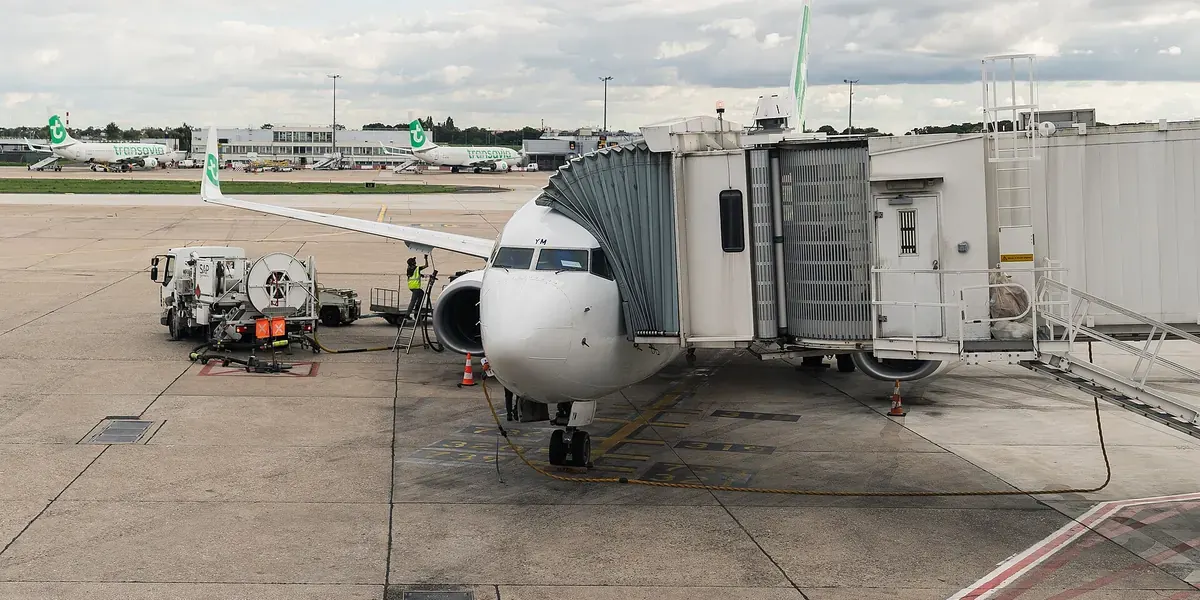
Representative aviation imagery, including illustrations; not evidence of LFS facilities or personnel in this region.
Build the island itinerary around the aircraft and the people
A Caribbean business aviation trip might involve an international arrival, several island visits and a return flight with a different passenger list. Short distances between destinations do not remove the need for a complete operational and ground plan. Each arrival has its own airport conditions, border arrangements and requested services. Begin with the actual itinerary, aircraft, flight purpose and expected ground time rather than treating the region as a single destination.
LFS coordinates the requested arrangements through vetted local providers and its 24/7 duty desk. The desk can keep permit status, parking requests, fuel, handling and crew logistics connected as plans change. This does not imply an LFS-owned Caribbean FBO or a station at every island airport. The operator retains operational control and the pilot in command makes the flight decision. A coordinator’s ability to request a service is distinct from written airport or provider acceptance.
Country and airport choices shape the ground plan
Use the existing Jamaica briefing and Bahamas briefing for country-level context. Specific airport discussions can begin with Kingston MKJP or Nassau MYNN. These links identify locations to investigate, not a ranked list of preferred stops or a guarantee of parking and fuel. The actual choice depends on aircraft suitability, passenger destination, airport acceptance and current operational information.
For several islands, send every sector and explain whether the flight is private, charter, positioning or another operation. Different jurisdictions should not be assumed to share permit, entry or airport procedures. Include empty legs and the aircraft’s plans between passenger arrival and collection. This allows the desk to coordinate the actual movements rather than discovering later that a drop-off airport must also accommodate several days of parking or a separate departure.
Parking and collection plans deserve early attention
The passengers’ holiday or meeting schedule may require a longer stay than the aircraft’s arrival plan initially suggests. State whether the aircraft will remain, reposition to another airport or return from base for collection. Parking acceptance, access to the aircraft and the departure service window need to be checked explicitly. A confirmed arrival handler does not automatically confirm a multi-day stand or a particular departure time.
LFS can coordinate aircraft parking requests with the relevant provider and airport. Identify flexibility in the collection schedule and any essential ground requirements. If repositioning is being considered, assess the extra flight, permits, crew logistics and fuel rather than comparing parking charges alone. Do not claim regional parking scarcity as a fact without airport-specific evidence; the right approach is to request current acceptance for the proposed dates.
Permits, border information and passenger changes
Aviation approvals for each jurisdiction
Send aircraft and operator details, flight purpose, UTC times and the complete route. LFS coordinates landing permits and overflight permits where required. Airport permission and parking remain separate. Lead times and supporting documents are confirmed for the relevant jurisdiction and operation; there is no single Caribbean approval or guaranteed urgent response.
People on board and the next sector
Passenger and crew entry arrangements depend on documents, nationality and the intended movement. If the manifest changes between islands or before the return to another country, say so early. Advance passenger information requirements, where applicable, must be checked for the actual route. A flight permit does not establish immigration acceptance, and a previous trip’s passenger process should not be carried forward without review.
Fuel planning for regional visits and the return flight
A series of short island sectors can end with a long international departure. Plan fuel across the whole itinerary, with the operator determining aircraft requirements and performance. Send intended uplift quantities and identify where refuelling is essential versus optional. LFS requests supplier acceptance, timing, payment arrangements and commercial terms. A directory listing or a previous uplift does not establish live availability for your next movement.
Use aircraft fuel coordination when comparing the requested ground arrangements. If the aircraft repositions during the passenger stay, the fuel strategy may change along with the handling and crew plan. An alternative airport should first be operationally suitable and then assessed for confirmed services. Keep a price indication separate from an accepted booking, and request reconfirmation when the schedule or aircraft changes materially.
Handling and passenger logistics without an FBO assumption
A private jet itinerary often has detailed passenger requirements, but those should be requested rather than inferred from the phrase “VIP handling”. Give the desk the passenger and crew counts, baggage, transport destination, catering requirements and any assistance needs. Ask the local provider to confirm the aircraft services and boarding arrangements that matter to the operation. Not every airport follows the same passenger process or offers the same facilities.
LFS coordinates ground handling with the appointed provider and records the agreed scope. Where a terminal, lounge or special access arrangement is requested, confirmation must come from the party able to provide it. This page does not invent terminal names, equipment inventories or ownership. A clear trip brief names the receiving contact, the service timing and any limitation so the operator can brief passengers realistically.
Crew hotels, transport and the aircraft’s waiting period
When the aircraft waits for passenger collection, crew logistics need to be planned for the actual stay. Tell the desk whether the crew remains, changes or positions out commercially. Hotel and transport arrangements should fit the operator’s duty and rest plan and the airport access process. A booking alone does not establish legal rest or immigration permission. Entry requirements and the operator’s duty responsibilities remain separate checks.
Use crew logistics for the existing LFS coordination scope. Include the next departure, expected reporting time and any split crew movements. If the aircraft repositions, update the crew plan at the same time; otherwise the hotel and vehicle booking can remain attached to an airport the aircraft no longer uses. Give passenger transport similar precision, including the actual destination and a local contact rather than a broad request for island transfers.
Weather contingencies and island-to-island recovery
Caribbean weather must be reviewed for the date and route of flight using current forecasts, NOTAMs and authoritative advisories. Tropical weather can affect plans, but this page does not predict airport closures or replace the operator’s weather assessment. The operator selects suitable alternates and decides whether to operate; the coordination desk can check requested reception and ground support at the options under consideration.
An alternate on another island can change the jurisdiction, border arrangements, provider, passenger transfer and next departure. If the destination changes, advise the desk of the new airport and expected ground duration promptly. The existing diversion support service covers the coordination request. Do not assume a handler’s original booking follows the aircraft to a different island or that passengers can make the same ground connection from the revised destination.
Connecting the Caribbean trip to Central America or an oceanic leg
If the itinerary continues toward Central America, use the Central America flight-support page for the connected regional planning context. For a transatlantic continuation, the North Atlantic clearance and trip-support page addresses a different operational problem. Neither replaces the airport-specific confirmations at the Caribbean departure or arrival. Keep the regional ground plan and the long-range flight planning work connected without treating them as the same service.
Send the full trip through the existing LFS request page, including aircraft, UTC schedule, flight purpose, passenger changes, parking duration and required support. Ask for confirmed items, pending approvals, exclusions and revision terms to be separated in the proposal. The useful outcome is a credible itinerary and clear responsibilities, not a generic promise of guaranteed island access or a duplicate enquiry form.
Regional flight-support questions
Can LFS coordinate handling for Nassau and Kingston visits?
LFS can review MYNN and MKJP handling, fuel and crew requests through local providers. Send the complete island itinerary; airport acceptance and services must be confirmed for each movement. Discuss your trip with LFS.
Can LFS coordinate parking while Caribbean passengers stay locally?
LFS can request parking for the proposed stay and coordinate handling and crew logistics. Include collection dates and any repositioning plan; parking acceptance remains with the airport and provider. Discuss your trip with LFS.
Can LFS coordinate a multi-island private jet trip?
Submit the full itinerary for review. The desk coordinates the requested permit, parking, handling, fuel and crew arrangements through local providers, with confirmation required for each airport and jurisdiction. Discuss your trip with LFS.
Is a landing approval also a parking confirmation?
No. State the intended ground duration and whether the aircraft stays or repositions. Parking, slots or prior permission where applicable, and the handling provider’s acceptance need separate checks. Discuss your trip with LFS.
Does LFS own a Caribbean FBO?
No FBO ownership is claimed here. The page describes coordination through vetted providers. Ask the desk to identify the actual provider and delivery arrangement for your airport and requested services. Discuss your trip with LFS.
What if passengers change between islands?
Advise the desk before the affected sector and provide the updated information through the established process. Aviation, border and advance-information requirements must be reviewed for the actual movement and jurisdiction. Discuss your trip with LFS.
Can a weather alternate be on another island?
The operator decides whether an alternate is operationally suitable. Reception, border arrangements, fuel, handling and onward logistics must then be assessed for that airport. A supplier booking at the original destination does not automatically transfer. Discuss your trip with LFS.
Operational references
Reviewed 3 November 2026. Current AIPs, NOTAMs, authority decisions and written provider acceptance govern the actual flight. References support planning checks, not a claim of LFS station ownership.
Send the complete itinerary
Provide the aircraft, route, UTC schedule, flight purpose and services required at each stop. The LFS desk will review the coordination scope, supporting documents and commercial terms.
Request flight support