 Operations Control Center
Milan Linate Ground Handling
Milan Linate ground handling at LIML/LIN brings aircraft services, parking and the passenger schedule into one trip plan. LFS coordinates local provider requests for this Milan airport; access, services and permissions remain subject to current acceptance.
Request Ground Handling Support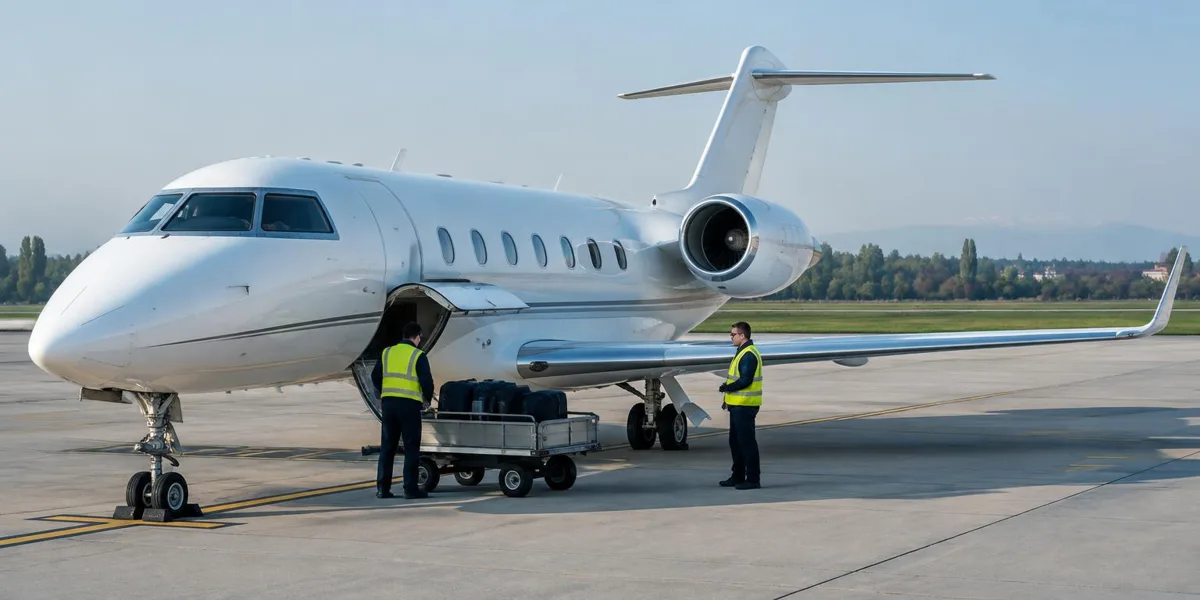
Missing operating or customs hours are unverified, not unavailable. A missing curfew value does not establish unrestricted operation. Confirm current AIP, NOTAMs and movement-specific airport/provider acceptance.
Milano Linate Airport is identified by ICAO location indicator LIML and IATA code LIN.
It serves the municipality of Segrate (MI), Italy.
The aerodrome reference point is 45.4451°, 9.2767°.
Our dataset lists 1 runway, the longest 8,012 ft (2,442 m).
The nearest larger airport is Il Caravaggio International Airport (BGY), about 23 NM away.
Operational context
Milano Linate Airport (LIML · LIN) serves Segrate (MI), Italy. Its longest runway measures 8,012 ft (2,442 m) — indicative planning data only; runway strength, surface, equipment and access must be confirmed with the airport.
For crew, LFS coordinates ground transport, vetted hotac and visa support in Segrate (MI).Passenger services, terminal arrangements and airside access require the authorised provider’s and airport’s confirmation. Billing scope is agreed for the actual request.
Which Milan airport is Linate?
Milano Linate Airport, ICAO LIML and IATA LIN, serves Milan from the Segrate area east of the city. SEA identifies Linate as approximately eight kilometres from central Milan. That city-airport position is relevant to a corporate visit, but road distance is not a guaranteed passenger transfer time.
Linate is not Milan Malpensa (LIMC/MXP), and neither should be confused with Bergamo (LIME/BGY). Confirm the intended airport in the handling order, fuel release, passenger transport and flight plan. This guide keeps the existing Linate flight-support URL; there is no separate LIML handling page to navigate to.
LFS coordination and licensed local delivery
LFS reviews the itinerary and coordinates handling, applicable permissions, fuel and crew requirements. The airport, terminal operators and authorised service providers control the actual facilities and acceptance. An LFS-operated station designation describes coordination presence; it does not mean LFS owns the airport or a business aviation terminal.
For your aircraft, request a named handling contact, the agreed service scope and any local conditions. Equipment photographs are not a capability list. Include towbar and power specifications, cabin configuration and passenger count so the provider can determine what it can deliver and what requires a separate order.
Feasibility before committing to an arrival
Check current Italian aeronautical information, NOTAMs and the aircraft’s performance documentation before treating a proposed Linate arrival as firm. Airport opening arrangements, runway works, noise requirements and individual operator permissions can affect feasibility. An incomplete database field on this page is an unknown, not evidence of unrestricted operation.
Share whether the flight is private, commercial, state, medical or cargo. These categories can change permissions and ground arrangements. Ask the desk to distinguish items already accepted from requests still under review, particularly where passenger timing or an aircraft reposition depends on the result.
Movement scheduling and overnight parking
Request arrival and departure times together, using UTC and noting any flexibility. Ask whether an airport slot, prior permission or other movement acceptance applies to the actual flight under current rules. A handling acknowledgement alone should not be treated as an airport clearance.
For an overnight stay, give the complete parking period and aircraft dimensions. Obtain stand acceptance, possible towing requirements, security arrangements and any maximum-stay conditions. During Milan trade fairs, fashion events or major business gatherings, request aircraft and crew arrangements early, without assuming parking will be held by a tentative enquiry.
Italian permissions and border arrangements
Italy is in the European Union and Schengen area, but the permission and documentation requirements depend on origin, operator nationality and private or commercial status. Non-Schengen passenger processing and customs questions must be reviewed for the actual itinerary. EASA Third Country Operator authorisation and national traffic permissions are distinct issues where applicable.
The landing permit desk reviews the flight status and supporting documents. State or diplomatic aircraft should be identified at first contact. An aircraft’s successful previous visit does not confirm that an amended flight has the same conditions; route, registration, payload or operator changes can require a fresh review.
Arrival handover and passenger transfers
Before dispatch, reconcile registration, callsign, schedule, manifests and provider contact details. The arrival briefing should identify where the aircraft is expected to park, how passengers will be processed and where the transfer vehicle will meet them. Terminal and airside access require the responsible provider’s approval.
For Milan meetings, provide the hotel, office or event destination and passenger luggage requirements. Traffic and formalities can affect elapsed ground time. If an onward connection or meeting is inflexible, communicate that constraint so the desk can flag unresolved arrangements rather than promise a transfer duration.
Fuel, catering and aircraft servicing
Request fuel coordination with grade, expected uplift, units and release or payment details. Obtain supplier acceptance and sequencing with other services. Do not assume a fuel account used at another Milan airport is automatically accepted at Linate.
Order inflight catering against the cabin configuration, passenger count, dietary restrictions and planned departure. Specify water, lavatory, ground power and any engineering request separately. Maintenance capability and parts access need their own acceptance; handling coordination is not a maintenance approval.
Crew rest and changed departure times
Use crew logistics to align rooms, transport and check-out with the duty plan. A city-centre hotel can suit a longer layover, while an airport-area room may fit an early report; the operator decides the rest requirements. Request enough vehicle space for luggage and the full crew complement.
If a departure moves, update handling, airport acceptance, fuel, catering and transport together. Ask about late service, overtime and cancellation conditions. Airport hours, handler availability and border arrangements are separate checks: a provider’s out-of-hours quotation does not override airport restrictions.
Alternates and a complete operator request
Malpensa or Bergamo may be evaluated for a repositioning or alternate plan, but suitability must be checked against weather, aircraft performance, permissions, parking and the passenger’s destination. Do not assume another Milan-area airport accepts a movement simply because it is nearby.
Send aircraft registration and model, operator authority, origin and next destination, UTC dates, passenger and crew details, parking duration and the requested services. Flight planning and flight watch can keep the local plan connected to the wider itinerary. Ask for a final list of approvals, conditions, contacts and outstanding items before departure.
Frequently asked questions
Is Linate the same airport as Malpensa?
No. Linate is LIML/LIN; Malpensa is LIMC/MXP. Use the correct code throughout the handling order, fuel release and transfers.
Can I request overnight aircraft parking at Linate?
Yes, as an enquiry. Send the aircraft dimensions and full stay dates; airport and provider acceptance must be confirmed.
Do missing customs hours mean no customs service?
No. Missing data is unverified. Confirm the processing arrangements for the flight with the provider and relevant authority.
Can LFS arrange out-of-hours services?
The desk can ask. Handler acceptance, airport hours and border arrangements are separate, and an enquiry does not guarantee access.
Official and reference sources
Reviewed 2 November 2026. Current AIP, NOTAMs, authority requirements and written provider confirmations govern each flight.
Send your flight details
Share your route, aircraft, UTC schedule and the services you need. The LFS desk will review the request and confirm documentation, availability and terms. Permits and access remain subject to approval by the relevant authority.
Request Flight Support- ▸OFP & route optimization
- ▸Weather & NOTAM brief
- ▸ETOPS / EDTO planning
- ▸Fuel & payload calculations
- ▸Overflight clearances
- ▸Landing permits
- ▸Slot coordination
- ▸Diplomatic & charter approvals
- ▸Negotiated into-plane pricing
- ▸Single consolidated invoice
- ▸Marshalling, GPU, stairs
- ▸Lavatory & potable water
- ▸Baggage & security
- ▸Hotac & ground transport
- ▸Visas & immigration support
- ▸Catering coordination
- ▸Concierge & meet-and-greet