
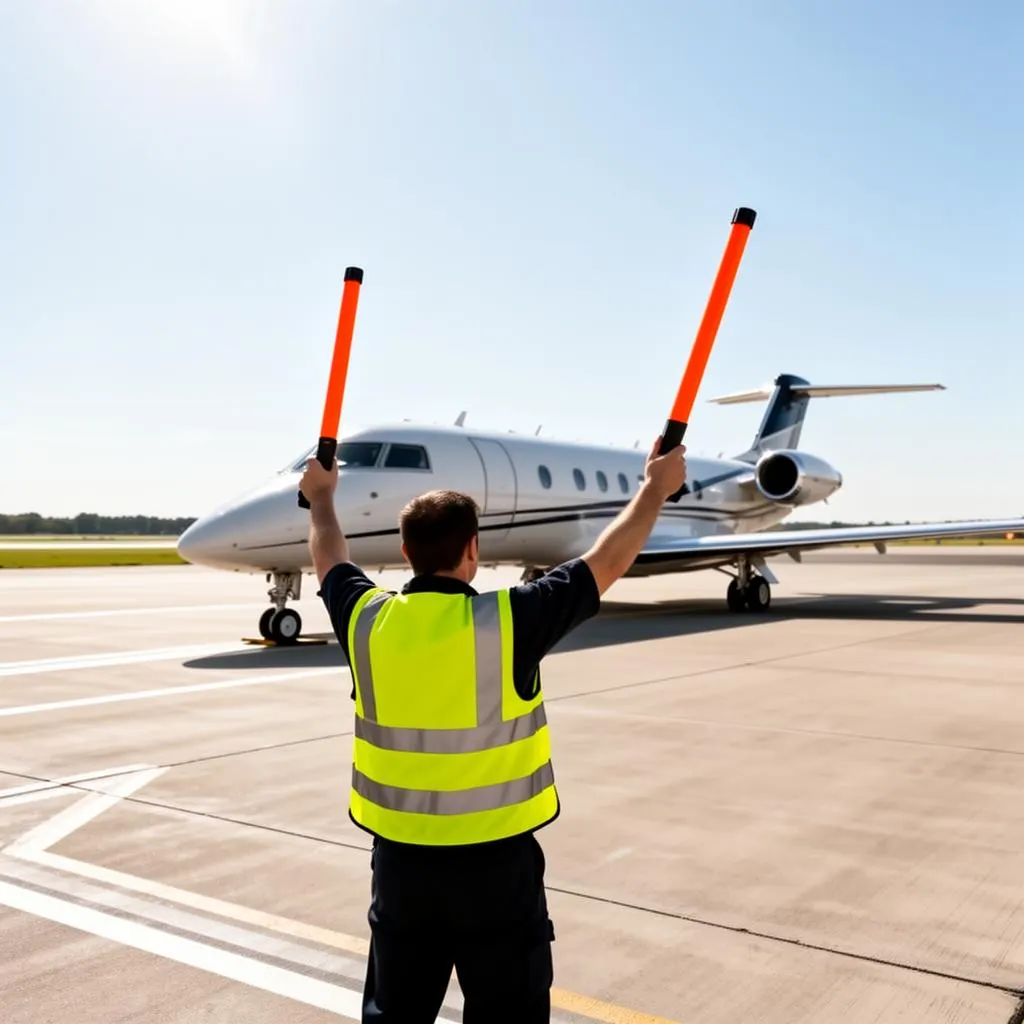
A regional hub for Middle East trips
Trips in the Middle East often cross several countries in a short time: a business trip from Riyadh to Doha and Dubai, a government delegation to Amman and Kuwait, or a long-range flight that crosses the Gulf on the way to Asia. Each country has its own civil aviation authority, permit process and airport arrangements, and the pieces only work if they are planned together.
LFS has supported operators from Bahrain since 2012. This page explains what our Middle East flight support covers and points you to the detailed pages for each service and country, so you can find the right information quickly.
How Middle East countries differ
It is tempting to treat the Gulf as one market, but the operating details differ from country to country. Some points we check on every trip:
- Permit types and the documents requested, which depend on the country, the aircraft's registration and whether the flight is private, charter, cargo or state.
- Whether a local sponsor or agent is needed for the type of flight.
- Airport slot, PPR and parking arrangements, particularly at busy hubs and during peak periods.
- Working weeks and public holidays, which differ between countries and affect authority and supplier availability.
- Seasonal peaks, such as Hajj and Umrah in Saudi Arabia, major events and holiday periods.
- Airspace restrictions, which can change at short notice and affect routing and permits.
Permits across the region
LFS files overflight and landing permits across the Middle East. Country-specific guides: Saudi Arabia overflight permits, UAE overflight and landing permits, Qatar permits, Kuwait permits and Jordan permits.
For how permit types differ, see overflight permits, landing permits and diplomatic clearance. For seasonal Saudi operations, see Hajj and Umrah FOC permits. Lead times and requirements are confirmed with each authority for each request.
Ground handling
At LFS-operated stations, handling is delivered by our own teams; elsewhere we work through vetted partners and coordinate the service from the desk. See handling by airport and our ground handling overview. For passenger services in Bahrain, see Bahrain meet and assist.
Fuel
Fuel is arranged at each stop with the supplier, uplift and payment method confirmed in advance. See fuel services and aviation fuel cards.
Dispatch and flight planning
For flights where you want a dispatcher to stay with the trip, see Gulf flight dispatch. For the plan itself, see flight planning. For airport slots and prior permission, see slots and PPR.
Crew logistics, technical stops and urgent trips
Crew hotels and transport are covered by crew logistics. If the route needs a fuel stop in the region, see technical stop support. For aircraft-on-ground situations, see AOG support, and for short-notice permits, urgent flight permits.
Country pages
For country and airport detail, see Saudi Arabia, United Arab Emirates, Bahrain, Qatar, Kuwait, Oman, Jordan and Iraq.
How Middle East trip support works
- Send the route, aircraft, dates, purpose of flight and passenger and crew numbers.
- A named dispatcher identifies permits, slots and ground services needed in each country.
- Permits are filed and tracked; handling, fuel and crew logistics are booked.
- The desk follows the trip and revises permits and bookings when plans change.
Typical Middle East trips we support
Multi-country business trips
A corporate itinerary might start in Europe, stop in Riyadh, continue to Doha and Dubai and return via Bahrain. Each leg needs its own permits, slots and handling, and a change to one leg often affects the next. One dispatcher keeps the chain together.
Government and diplomatic movements
State aircraft need diplomatic clearance through official channels and careful coordination of protocol and handling. See government and diplomatic operations and our diplomatic clearance page.
Cargo and humanitarian flights
Cargo flights into the region need cargo-specific documents and handling. See cargo and freight and humanitarian and relief.
Medical flights
Air ambulance flights often need permits and handling at very short notice. See medical and emergency flights.
Why a regional desk rather than separate local agents
Many operators start by booking a handler at each airport. That works for single-stop trips, but on a multi-country itinerary the operator becomes the coordinator: tracking several permits, passing schedule changes to several handlers and checking that everything still matches. A regional desk takes that coordination on.
LFS works with the same handlers and authorities repeatedly, so the desk knows who to contact when something changes, and can tell you early if a requirement is likely to affect your plan. Nothing is assumed from a previous trip: requirements are confirmed each time.
Planning ahead for peak periods
Demand for parking, slots and handling rises sharply during some periods, including Hajj and Umrah seasons, major sporting and business events, and holiday peaks. During these periods the earlier the request, the more choice of airports, times and parking there is. If your dates fall in a busy period, the desk will tell you what is likely to be constrained and suggest options.
What to send for a Middle East request
- Aircraft type, registration and state of registry.
- Full routing with dates and times, including any flexibility.
- Purpose of flight: private, charter, cargo, medical or state.
- Passenger and crew numbers, and nationalities if overnight stays are planned.
- Services needed at each stop: handling, fuel, hotels, transport, catering or VIP services.
LFS stations and partner airports
LFS operates some stations directly and works through vetted partners at other Middle East airports. At operated stations our own teams deliver the handling; at partner airports the desk books the service, briefs the handler and stays in contact during the visit. The handling by airport pages show which arrangement applies at each airport, and the desk confirms it again for your dates.
Before the visit, the desk sends the handler the schedule, aircraft details, passenger and crew numbers and service requests, and confirms parking, crew transport and fuel. Whichever arrangement applies, you deal with one desk. Schedule changes, crew requests and service problems go to the same team, which passes them to the right handler and confirms back to you.
Items that are often overlooked
The desk checks these on every trip so they do not become a problem on the day.
- Return-leg permits and slots, which may need to be requested at the same time as the outbound ones.
- Validity windows on permits, which may not cover a delay of more than a few hours.
- Crew rest and hotel availability during peak periods, especially for unplanned overnight stops.
- Payment arrangements for fuel and airport charges at airports you have not used before.
- Catering lead times for early departures and special dietary requests.
- Local weekends and holidays, which can delay replies from authorities and suppliers.
After the trip
When the trip is complete, the desk confirms the final times, fuel uplifts and services used, and flags anything worth knowing for next time, such as an airport that needed more notice for parking or a permit question that could be answered in advance. Operators who fly the region regularly use these notes to make each trip smoother than the last.
If you plan a series of flights, such as a seasonal programme or regular shuttle, the desk can review the whole series in advance and raise the permits, slots and handling together, with requirements still confirmed for each flight.
Frequently asked questions
What does Middle East flight support from LFS include?+
Overflight and landing permits, ground handling, fuel, flight planning and dispatch, crew logistics and 24/7 trip monitoring for flights across the Gulf and wider Middle East.
Where is LFS based?+
LFS operates its 24/7/365 duty desk from Bahrain.
Which countries do you cover?+
Saudi Arabia, the United Arab Emirates, Bahrain, Qatar, Kuwait, Oman, Jordan, Iraq and neighbouring countries. Handling is through LFS stations or vetted partners, depending on the airport.
Can one desk handle a multi-country Gulf trip?+
Yes. That is the main reason operators use a regional desk: one dispatcher keeps the permits, slots, handling and fuel for every country in one plan.
How long do Middle East permits take?+
It varies by country, aircraft and type of flight. Lead times are confirmed with each authority when you send the trip.
Do you support Hajj and Umrah flights?+
Yes. See our Hajj and Umrah FOC permits page. Seasonal requirements are confirmed with the Saudi authorities for each request.
Planning a Middle East trip?
Send your route, aircraft details and schedule through the request form. The duty desk will review what each country needs and come back to you. Permits remain subject to approval by the relevant authority.